Guide: Healthcare referral information privacy — questions about treatment-related travel planning — decision records — referring clinicians
When a referring clinical specialist documents a patient’s path toward specialized care, understanding healthcare referral information privacy and permissions is essential for maintaining regulatory compliance. Protecting sensitive data during the coordination of care ensures that patient autonomy remains the priority throughout the process. Health & Beauty coordinates administrative and travel services only; medical decisions are made by licensed clinicians. Health & Beauty does not operate clinics. By focusing on secure communication channels, clinicians can effectively manage the logistical aspects of patient travel while upholding the highest standards of confidentiality.
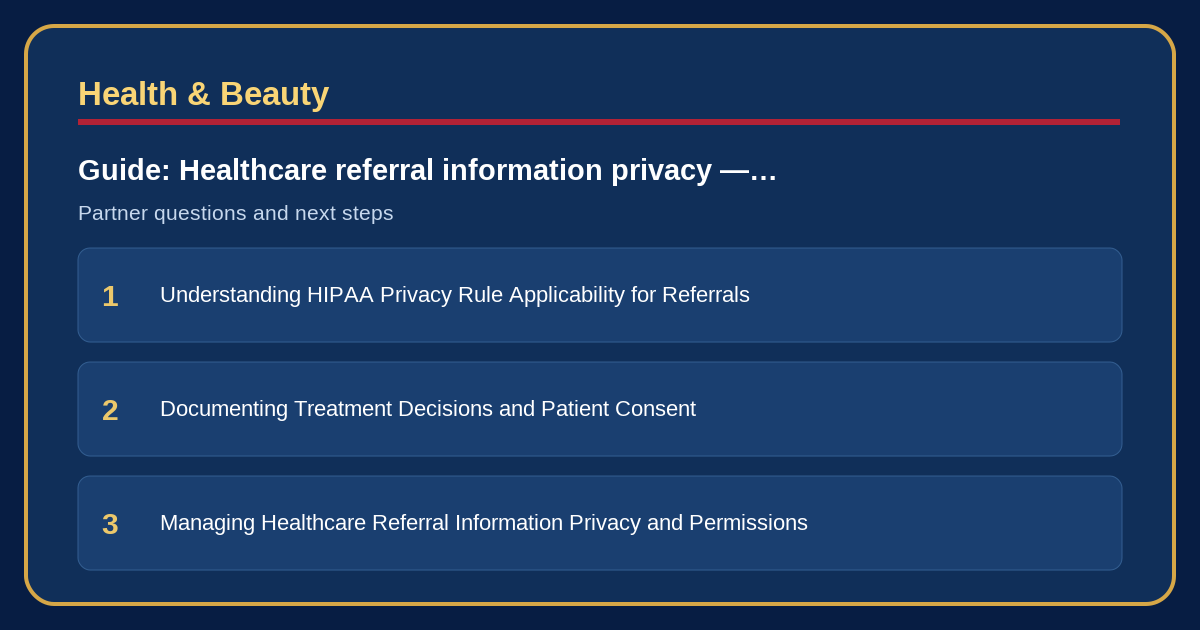
Understanding HIPAA Privacy Rule Applicability for Referrals
The Health Insurance Portability and Accountability Act, or HIPAA, establishes national standards for the protection of certain health information. When a clinician refers a patient to another specialist, the Privacy Rule permits the disclosure of protected health information for treatment purposes. This includes sharing necessary records to ensure continuity of care. Clinicians must ensure that any administrative support, such as travel coordination, adheres to these standards. By limiting disclosures to the minimum necessary information, referring specialists maintain compliance while facilitating the essential logistics required for a patient’s upcoming medical journey.
Documenting Treatment Decisions and Patient Consent
Effective documentation of a treatment decision requires clear communication between the referring clinician and the patient. When travel is involved, the clinician should document that the patient has been informed of the risks and benefits associated with the proposed care. Privacy permissions should be explicitly discussed, ensuring the patient understands who will have access to their medical records during the referral process. Maintaining a transparent record of these discussions helps clinicians demonstrate that the patient’s privacy rights were respected and that informed consent was obtained before any administrative travel planning began.
Managing Healthcare Referral Information Privacy and Permissions
Navigating healthcare referral information privacy and permissions requires a structured approach to data handling. When a referring clinician initiates a referral, they must verify that the receiving facility or service provider is authorized to handle protected health information. This involves confirming that appropriate business associate agreements or privacy protocols are in place. By establishing these safeguards early, clinicians can confidently share the necessary clinical data required for travel arrangements. This systematic approach protects the patient’s sensitive information while ensuring that all logistical details are managed with the required level of professional discretion.
Secure Communication Channels for Travel Logistics
When coordinating travel for medical purposes, clinicians often rely on administrative partners to handle the logistics. It is vital that these communications occur through secure, encrypted channels to prevent unauthorized access to patient data. Referring clinicians should avoid sending sensitive clinical details via standard email or unsecured messaging platforms. Instead, utilizing dedicated portals or encrypted document transfer services ensures that the information remains protected. Health & Beauty provides a secure framework for managing these administrative tasks, allowing clinicians to focus on the medical aspects of the patient’s care while maintaining strict privacy.
Addressing Patient Concerns Regarding Data Sharing
Patients often have questions about how their information is shared when they travel for medical treatment. Referring clinicians play a critical role in addressing these concerns by explaining the necessity of data disclosure for coordination purposes. Providing clear information about who will see their records—and why—helps build trust and reduces anxiety. If a patient expresses hesitation, the clinician should take the time to review the privacy policy of the receiving facility. Open dialogue ensures that the patient feels comfortable and informed throughout the entire referral and travel planning process.
Administrative Coordination and Clinical Oversight
The separation between administrative coordination and clinical oversight is fundamental to patient safety. While Health & Beauty assists with the logistical elements of travel, such as scheduling and transport, all medical decisions remain firmly under the control of the treating clinician. This distinction ensures that administrative staff do not influence the clinical path or provide medical advice. If you have questions regarding the coordination of your upcoming travel or need to discuss administrative support, please feel free to reach out to the Health & Beauty team for assistance.
Best Practices for Maintaining Referral Records
Maintaining accurate and private referral records is a cornerstone of professional medical practice. Clinicians should implement a standardized process for logging all referrals, including the date of the decision, the information shared, and the patient’s consent status. Regularly auditing these records helps identify potential privacy gaps and ensures that all documentation meets regulatory requirements. By prioritizing organized and secure record-keeping, referring clinicians can streamline the referral process, minimize the risk of data breaches, and provide a seamless experience for patients who must travel to receive the specialized care they require.
Frequently Asked Questions
What information is typically shared during a medical referral?
Clinicians generally share the minimum necessary information to facilitate treatment, including the patient’s diagnosis, relevant medical history, and specific clinical goals. This ensures the receiving specialist has the context needed to provide appropriate care while respecting the patient’s privacy.
How can a clinician ensure privacy when using administrative services?
Clinicians should verify that any administrative partner adheres to strict data protection standards and utilizes secure, encrypted communication methods. It is essential to confirm that the partner understands their role in protecting patient confidentiality according to established regulatory guidelines.
What should a patient be told about their data during travel planning?
Patients should be informed about what specific information is being shared, why it is necessary for their travel and treatment, and who will have access to it. Transparency regarding these processes helps maintain patient trust and ensures they feel fully informed.
Sources and references
https://www.hhs.gov/hipaa/for-professionals/privacy/index.html
Partner with Health & Beauty
Discuss a potential collaboration and practical requirements directly with our team.